How to Choose Reibii Shelves, Outdoor Shelf & Industrial Shelving

It's easier to keep the home, garage, workshop, or storage facility organized with the right shelving system.
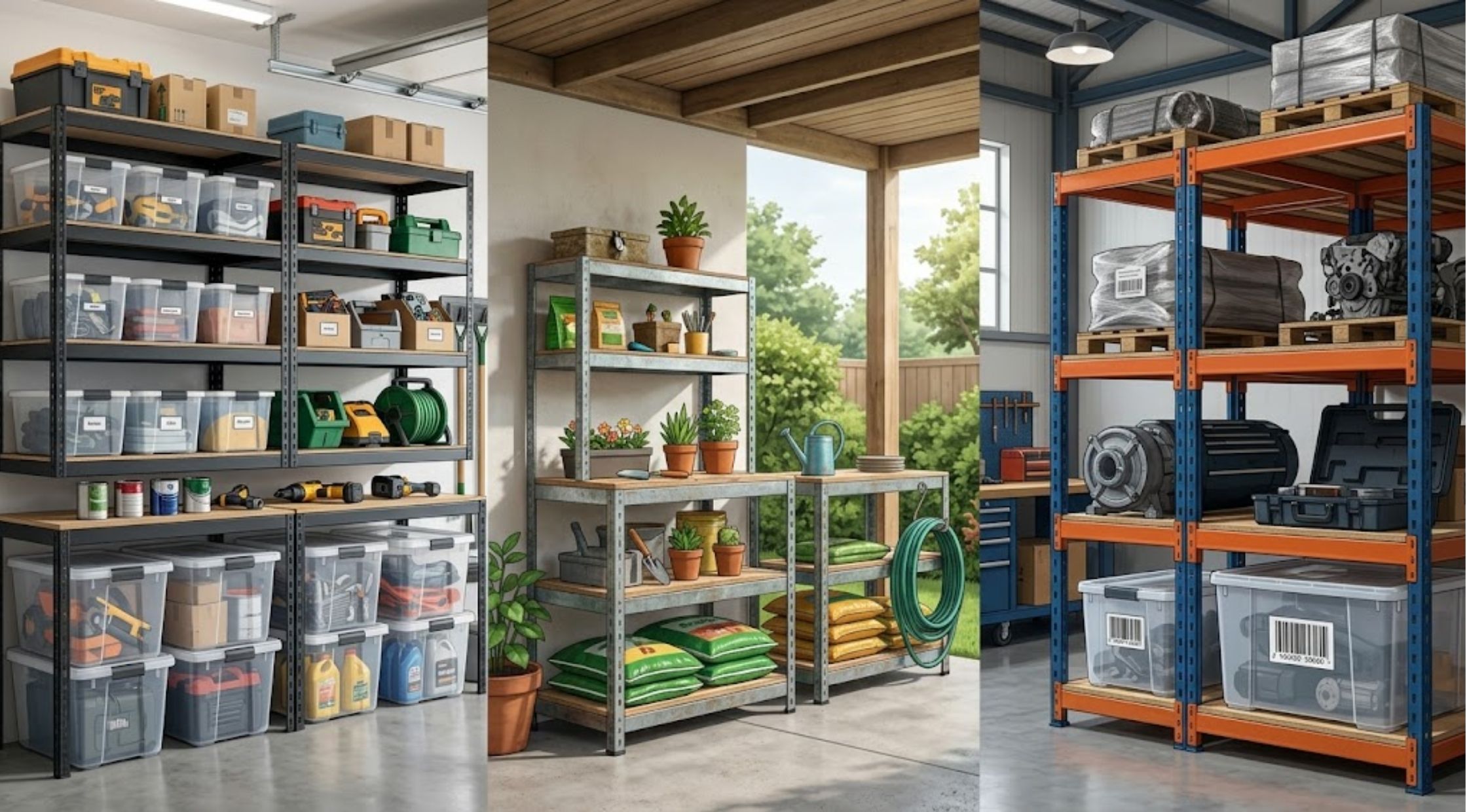
It's easier to keep the home, garage, workshop, or storage facility organized with the right shelving system. If your shelf is designed properly, it can help maximize space, keep everything within easy reach, and minimize clutter.
When evaluating Reibii shelves, selecting outdoor units, or comparing heavy-duty industrial shelving options, you need to assess your available square footage, your storage capacity requirements, and the specific environment where the unit will sit.
Selecting and Organizing Reibii Shelves
How to Choose Reibii Shelves
Reibii shelves are versatile solutions for organizing garages, kitchens, pantries, workshops, and utility spaces. When picking a shelving unit, evaluate the specific weight and dimensions of the items you intend to store—lightweight household goods require very different structural support than heavy power tools or equipment.
Key Purchase Considerations:
- Total shelf dimensions (height, width, depth)
- Maximum weight capacity per tier
- Total number of tiers or levels
- Available floor footprint
- Assembly requirements (boltless vs. hardware assembly)
- Material composition and frame construction
Planning Tip: Always measure your floor space and ceiling height before ordering to prevent the unit from blocking doorways, windows, or primary walkways.
How to Organize Reibii Shelving Units
Once assembled and secured, organizing your unit systematically improves everyday function and safety:
- Distribute Weight Properly: Place heavy containers, bulk items, and heavy machinery on the lowest shelves to lower the unit's center of gravity and ensure stability.
- Optimize Eye Level: Place frequently accessed items at chest or eye height for quick retrieval.
- Use Labeled Bins: Store small or loose hardware inside labeled containers or storage totes to prevent shelf clutter.
Garage Organization Blueprint
To convert an overstuffed garage into an efficient workspace, segment your shelving tiers by category:
[Top Tier: Seasonal Storage] ➔ [Middle Tier: Daily Tools & Hardware] ➔ [Bottom Tier: Automotive & Heavy Containers]
- Section 1: Power tools and hand tools
- Section 2: Cleaning and janitorial supplies
- Section 3: Hardware, fasteners, and small parts
- Section 4: Automotive fluids and maintenance items
- Section 5: Seasonal gear and outdoor equipment
Choosing and Styling Outdoor Shelving
Key Considerations for Outdoor Shelves
Outdoor shelving must withstand environmental conditions that indoor units never encounter. Whether placed under a covered patio, inside a greenhouse, or fully exposed in a garden, your shelf must handle weather exposure, moisture, and ultraviolet sunlight.
Pre-Purchase Checklist:
- Degree of weather exposure (covered vs. fully open)
- Material durability (galvanized steel, powder-coated metal, treated wood)
- Rust and corrosion resistance
- Frame stability and wind resistance
- Weight capacity per shelf level
- Ongoing cleaning and maintenance needs
Practical Use of Outdoor Shelving
Arrange outdoor equipment based on seasonal demand and frequency of use:
- Accessibility: Keep daily gardening tools, potting soil, and plant food at mid-level heights.
- Seasonal Elevation: Store off-season equipment or seasonal patio accessories on higher tiers.
- Moisture Protection: Avoid placing moisture-sensitive goods on outdoor units unless they are sealed inside weatherproof, watertight storage containers.
- Wind Anchoring: In areas prone to high winds, ensure the unit has a wide base or is anchored directly to a wall or patio structure.
Selecting and Organizing Industrial Shelving
Choosing Industrial Shelving
Industrial shelving is engineered specifically for demanding work environments that require high load capacities and long-term structural integrity. It is ideal for commercial garages, heavy workshops, warehouses, stockrooms, and large utility facilities.
Key Evaluation Factors:
- Maximum weight capacity (often several hundred to thousands of pounds per tier)
- Total unit depth and width dimensions
- Heavy-gauge frame construction (industrial steel or reinforced beams)
- Number of adjustable shelf levels
- Customization options (adjustable beam heights)
- Structural assembly methods and safety locking pins
Safety Rule: Never exceed the manufacturer's maximum rated weight capacity, and ensure weight is distributed evenly across each shelf level.
How to Organize Industrial Shelves
A well-organized industrial storage unit improves workflow efficiency, speeds up inventory checks, and ensures workplace safety:
- Placement: Position heavy machinery and bulky raw materials on lower tiers, leaving upper levels for lighter inventory.
- High-Frequency Zones: Keep daily tools and essential supplies within immediate reach.
- Clear Labeling: Apply large, highly legible bin labels or barcode tags to support stock control and keep shared workspaces organized when multiple team members use the area.
Comparing Reibii vs. Industrial Shelving
Selecting between consumer-grade Reibii shelving and commercial industrial shelving depends on your primary application, load requirements, and budget.
|
Feature / Criteria |
Reibii Home & Garage Shelving |
Heavy-Duty Industrial Shelving |
|
Primary Environment |
Homes, pantries, residential garages, light workshops |
Commercial warehouses, stockrooms, heavy industrial workshops |
|
Weight Capacity |
Moderate to high (ideal for household goods & hand tools) |
Extreme capacity (engineered for heavy machinery & bulk inventory) |
|
Assembly & Flexibility |
Easy, often boltless setup; flexible shelf placement |
Rigid steel frame construction; adjustable beam levels |
|
Best Used For |
Everyday storage, organized totes, household equipment |
Commercial stock control, bulk material storage, heavy equipment |
Selection Tip: The strongest shelf is not always the best choice—select the unit that offers the right balance of weight capacity, size, durability, ease of access, and cost for your specific needs.
Maximizing Vertical Space and Maintenance
How to Get the Most Out of Your Storage Footprint
To expand your storage capacity without increasing floor footprint, utilize vertical wall space effectively:
- Select tall, multi-tier shelving units that safely utilize vertical wall space.
- Integrate uniform bins, modular crates, and clear totes to maximize every square inch of shelf depth.
- Always double-check ceiling clearances and lighting fixture paths before installing taller vertical units.
Maintenance Guidelines for Long-Term Durability
Regular maintenance extends the lifespan of your shelving units and prevents structural failure:
- Visual Inspections: Regularly check frame uprights, beams, and shelf boards for signs of bending, corrosion, loose hardware, or weight overload.
- Environmental Checks: Inspect outdoor units frequently for rust spots, moisture buildup, or finish degradation.
- Weight Management: Avoid overloading single shelves; rebalance loads as inventory changes.
- Routine Cleaning: Keep shelf surfaces clean and free of chemical spills, oil, or excessive dirt build-up.
Final Thoughts
The right shelving system turns disorganized space into an efficient, structured environment. Reibii shelves offer versatile solutions for everyday indoor and garage storage, specialized outdoor shelves keep garden tools organized against the elements, and industrial shelving provides the heavy-duty capacity required for commercial workshops and warehouses.
Before purchasing, ask yourself three primary questions:
- What is the primary function of the shelf?
- What specific items will it hold and how much do they weigh?
- What are the exact dimensions and environmental conditions of the space?
By carefully matching your space, load requirements, and environmental conditions with the right shelving material, you can build an organized storage system that remains functional and durable for years to come.
Recent Blogs
-

How to Choose a Console Cabinet, Bar Cart Cabinet & King Bed
-

How to Choose a Kitchen Runner & Cool Carpets and Rugs
-

How to Choose a Touch Screen Toaster, Smart Toaster & Revolution Toaster
-

How to Choose Gaming PC Bundles, Monitor Bundles & Dell OptiPlex 3060
-

How to Choose Under Counter Water Filtration & Frizzlife Filters