How to Choose the Right Smoke Detector and Carbon Monoxide Detector for a Safer Home

Home safety is easy to overlook until something goes wrong.
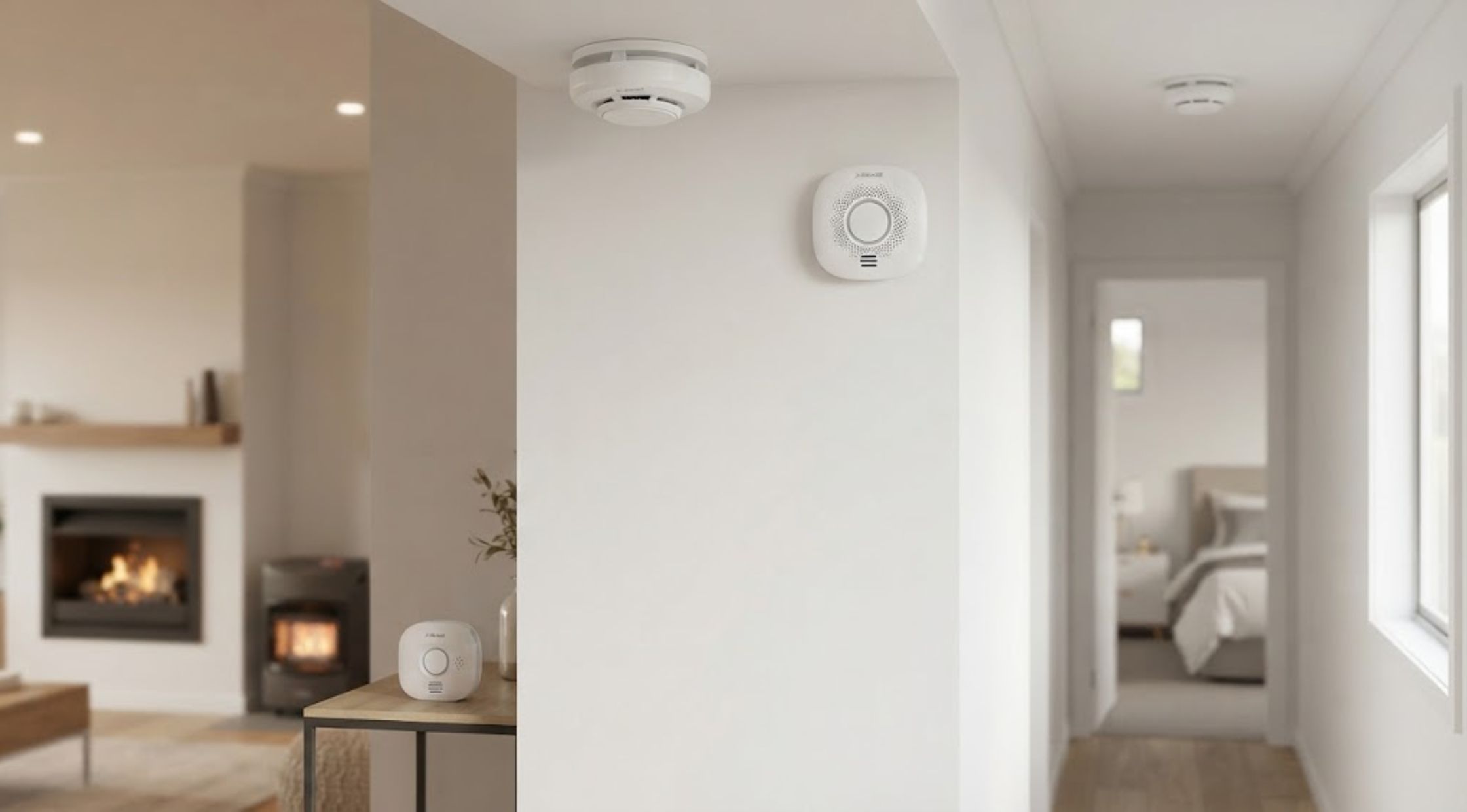
Home safety is easy to overlook until something goes wrong. A small kitchen incident, a heating problem, or a faulty appliance can quickly turn into a serious emergency. The challenge is that many household hazards are difficult to detect early without the right equipment.
That is why choosing a reliable smoke detector and carbon monoxide detector is an important part of creating a safer living environment. These devices provide an early warning when dangerous conditions develop, giving occupants valuable time to respond.
However, not every detector offers the same features, coverage, or convenience. Understanding what to look for can help you choose equipment that fits your home rather than simply buying the first option available.
Why Homeowners Often Overlook Safety Detectors
Many people assume that having one alarm somewhere in the house is enough. In reality, different areas of a home may have different risks, and a single device may not provide adequate coverage.
Common concerns include:
- Not knowing where detectors should be installed
- Using outdated or poorly maintained alarms
- Forgetting to test devices regularly
- Confusing smoke detection with carbon monoxide detection
- Dealing with frequent false alarms
- Choosing products based only on price
- Having alarms that are difficult to hear from another room
These problems can reduce confidence in a home's safety system. A detector is only useful if it is installed appropriately, maintained properly, and capable of alerting people when a genuine hazard occurs.
Understanding the Difference Between Smoke and Carbon Monoxide Detection
One of the most important steps is understanding what each device is designed to detect.
A smoke detector is designed to identify signs of smoke associated with fires. Depending on the technology used, it can respond to particles produced during different types of fires.
A carbon monoxide detector, on the other hand, monitors for carbon monoxide, a colorless and odorless gas that can be produced by fuel-burning appliances and equipment.
Because these hazards are different, one device should not automatically be assumed to replace the other. Some modern products combine multiple detection capabilities, while separate devices may be preferable depending on the layout and needs of the property.
What Can Cause Detection Problems?
There are several reasons household detection systems may not work as effectively as expected.
Poor Placement
Installing a detector in an unsuitable location can affect how quickly it responds. Placement should follow the manufacturer's recommendations and applicable local safety guidance.
Lack of Maintenance
Dust, dirt, low batteries, and other maintenance issues can affect detector performance. Regular testing and timely battery replacement are simple but important habits.
Limited Coverage
A large house, multi-story property, or home with multiple bedrooms may require more than one detector. Think about where people sleep and where potential hazards could originate.
Choosing the Wrong Type
A device designed for one type of hazard may not protect another. Before purchasing, check exactly what the detector is designed to monitor.
Practical Ways to Improve Home Detection
Creating a better safety setup does not have to be complicated. Start by assessing the home's layout and potential sources of risk.
1. Map Out Key Areas
Consider bedrooms, hallways, living spaces, kitchens, garages, utility areas, and rooms containing fuel-burning equipment. Follow local regulations and the manufacturer's installation guidance when deciding where devices should go.
2. Test Your Devices Regularly
Use the test function according to the manufacturer's instructions. Testing helps confirm that the alarm can produce an audible warning and that its power source is functioning correctly.
3. Keep Devices Accessible
Detectors should be positioned where they can be checked and maintained without unnecessary difficulty. Avoid covering, blocking, or modifying them.
4. Pay Attention to Battery Alerts
If a detector indicates a low battery, address it promptly. For models with replaceable batteries, keep suitable replacements available. If the device uses a sealed battery, follow the manufacturer's replacement guidance.
5. Consider Connected Features
Modern detectors can offer additional convenience through features such as mobile notifications, interconnected alarms, or status monitoring. These features can be particularly useful for homeowners who want greater awareness when they are away from the property.
When Is It Worth Investing in a Premium Detector?
Price is an important consideration, but home safety equipment should not be evaluated on cost alone.
A premium smoke detector or carbon monoxide detector may offer improvements in areas such as detection technology, alarm volume, battery design, connectivity, and ease of maintenance.
For homeowners who want a more comprehensive approach, brands such as X-SENSE provide a range of home safety products designed around different household requirements.
The right choice depends on your property. A small apartment may have different needs from a large family home, rental property, or multi-level house.
Instead of asking, "What is the cheapest detector?" consider asking:
- Does it detect the hazard I need to monitor?
- Is it appropriate for the intended location?
- Is the alarm easy to hear?
- How does it receive power?
- How often does it require maintenance?
- Does it provide useful alerts or connectivity?
- Does it meet relevant safety standards and local requirements?
Benefits of Upgrading Your Home Safety System
Replacing outdated equipment can provide several practical advantages.
Greater Awareness
A dependable detector provides an early warning when potentially dangerous conditions are detected, helping occupants respond more quickly.
Easier Monitoring
Connected models can make it easier to monitor device status and receive alerts, depending on the product and its capabilities.
Reduced Maintenance Hassle
Some modern detectors are designed with longer-lasting power systems or clearer maintenance indicators, making routine upkeep easier.
Better Coverage
Adding appropriately placed detectors can help improve protection across bedrooms, living spaces, and other important areas.
More Peace of Mind
Perhaps the biggest benefit is knowing that your home has a properly planned detection system. It does not eliminate risk, but it adds an important layer of protection.
Products from X-SENSE can be worth considering when upgrading an existing home safety setup, particularly for buyers looking for modern features alongside core detection functions.
How to Choose the Right Detector for Your Home
Before buying, focus on your actual household needs rather than simply choosing the device with the most features.
For smoke protection, consider the type of smoke detection technology, alarm volume, power source, maintenance requirements, and recommended placement.
For carbon monoxide protection, check the detection specifications, display or alert features, power design, and recommended installation locations.
If you are considering a combination product, make sure it provides the specific types of protection your home requires.
Most importantly, follow the manufacturer's instructions and applicable local fire and safety guidance. A high-quality device still needs to be installed and maintained correctly.
Conclusion: Make Home Safety a Routine, Not an Afterthought
A safer home starts with recognizing risks before they become emergencies. A properly selected smoke detector can provide an important warning during a fire, while a carbon monoxide detector adds protection against a hazard that cannot be detected through sight or smell.
Rather than waiting for an emergency to expose weaknesses in your current setup, review your detectors, test existing devices, and consider whether your home has adequate coverage.
For homeowners looking to upgrade, X-SENSE offers safety-focused options worth exploring. Take time to compare detection capabilities, placement requirements, maintenance needs, and smart features before making your decision.
The best home safety system is one that fits your property, is maintained consistently, and gives you confidence that your household is better prepared when it matters most.