How to Understand the Difference Between Turmeric and Curcumin

Turmeric is an ingredient that is commonly used in many cooking recipes, however curcumin is usually used in a different manner.
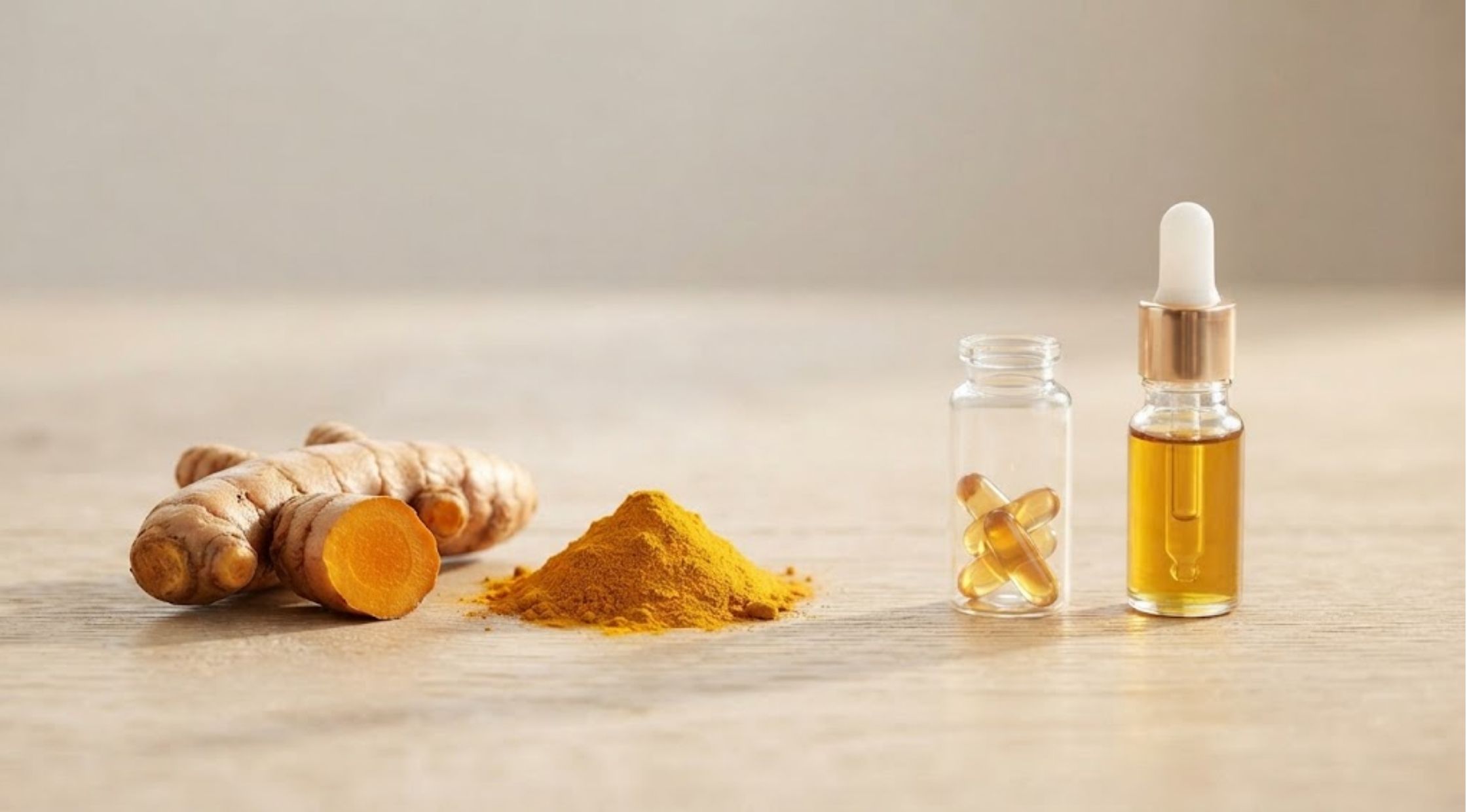
Turmeric is an ingredient that is commonly used in many cooking recipes, however curcumin is usually used in a different manner. Both terms have a connection, but they don't necessarily mean the exact same thing.
Being aware of the differences will make it simpler to comprehend the labeling on supplements as well as compare the ingredients and select products that meet your individual preferences. Kurk concentrates on supplements based around curcumin and turmeric, so it is important to learn the significance of these terms before selecting a product.
Definitions & Core Botanical Differences
How to Understand What Turmeric Is
Turmeric is a plant which belongs to the ginger family. The stems that grow underground (rhizomes) are usually dried before being ground to create the yellow-colored spice commonly used for cooking.
Turmeric is a natural source of active compounds known as curcuminoids. Curcumin is the primary curcuminoid found within turmeric. However, turmeric is not just a different word for curcumin; turmeric has a variety of naturally occurring compounds, and curcumin is just one specific component. This distinction is vital when comparing whole food ingredients with concentrated formulations.
How to Understand What Curcumin Is
Curcumin is a naturally occurring chemical compound present within turmeric. It is among the main active ingredients that give turmeric its distinct yellow color.
If you find curcumin mentioned on the label of a product, typically it indicates an ingredient that is far more refined and concentrated as opposed to raw turmeric powder. The concentration and quantity of curcuminoids can differ significantly based on the kind of turmeric product you buy. That's why inspecting the label of ingredients is essential when comparing various options.
How to Answer "Is Curcumin and Turmeric the Same?"
The short answer to whether curcumin and turmeric are the same is no.
Turmeric is the whole plant-derived spice or ingredient, whereas curcumin is a single specific compound naturally found inside turmeric. An easy comparison is thinking about an orange versus vitamin C: vitamin C is a beneficial nutrient found inside an orange, but the entire fruit is not solely vitamin C. The same principle applies here—turmeric contains curcumin alongside many other natural components.
How to Understand Curcumin vs Tumeric
If you are searching for "curcumin vs tumeric," be aware that "tumeric" is simply a common misspelling of "turmeric."
Understanding the terminology is helpful: turmeric usually refers to the entire spice or raw plant material, while curcumin refers to the specific active compound isolated from it. When evaluating products, do not assume that a basic turmeric-based product and a product focused specifically on curcumin share identical ingredient profiles or potency levels.
Label Reading, Usage, & Comparisons
How to Read Turmeric and Curcumin Labels
Labels on products can aid you in understanding exactly what you're purchasing.
Look for the exact ingredient names, serving details, and specific concentration percentages. Certain products might identify raw turmeric root as the principal ingredient, whereas specialized formulations will specifically list standardized curcuminoids and curcumin content. Always check for extra additives, as some products include flavorings, black pepper extract (piperine), or other botanical ingredients to alter the final formulation. Kurk consumers can use these data points to assess products with greater care instead of deciding based solely upon marketing buzzwords.
How to Compare Different Forms of Turmeric
Turmeric comes in many types. It is usually offered as a ground spice powder, but specialized brands may utilize liquid extracts, standardized powders, or liposomal delivery systems.
These different formats should not be considered interchangeable, as their composition and bio-content differ in significant ways:
- Whole Turmeric Powder: Contains roughly 2% to 5% curcumin by weight alongside natural oils and fibers; ideal for culinary applications.
- Standardized Curcumin Extracts: Concentrated extracts often standardized to contain up to 95% total curcuminoids for targeted supplementation.
- Liquid/Liposomal Formulations: Engineered to enhance the natural absorption and bioavailability of curcuminoids.
How to Think About Curcumin in Your Diet
Turmeric can be easily incorporated into healthy daily diets through culinary dishes like soups, curries, golden milk, and rice recipes.
However, using turmeric as a food spice differs greatly from taking high-potency curcumin supplements. Concentrated supplements provide active compounds in amounts far beyond what you would normally consume through food alone. If you are considering concentrated curcumin supplements, adhere to the manufacturer's guidelines and discuss their use with a licensed healthcare professional—especially if you take medications or have underlying health conditions.
Avoiding Errors & Selection Guidelines
How to Avoid Common Turmeric and Curcumin Mistakes
The most common error is assuming that curcumin and turmeric are completely identical products.
Another mistake is believing that raw turmeric products will provide the exact same concentration of curcumin as a high-potency extract. Additionally, avoid assuming that a higher concentration is automatically better for every individual's daily routine. Personal wellness needs differ, so always follow product serving guidelines and seek professional medical advice as necessary.
How to Choose a Curcumin or Turmeric Product
Begin by evaluating the nutrition label rather than relying on promotional claims.
Verify whether the product consists of whole turmeric powder, purified curcuminoids, or a hybrid formulation. Examine the serving size, active concentrations, storage requirements, and suggested usage instructions. Kurk is a great option to investigate when searching for dedicated curcumin and turmeric choices, provided you select products compatible with your specific lifestyle goals.
Conclusion
Final Thoughts on Turmeric vs. Curcumin
Curcumin and turmeric are closely related, yet distinct. Turmeric is the broad botanical plant ingredient containing various naturally occurring compounds, while curcumin is its primary active constituent.
When comparing options, evaluate the specific ingredient sources, standardized concentrations, and intended daily use. Whether you are exploring Kurk supplements or incorporating spice into your cooking, understanding these labels helps you make more informed decisions for your health routine.