How to Choose the Best Portable Power Station for Home Backup

Learn how to choose the best portable power station for home backup. Compare battery capacity, output, battery technology, charging options, portability, and safety features. Explore FOSSiBOT power solutions for your household needs.
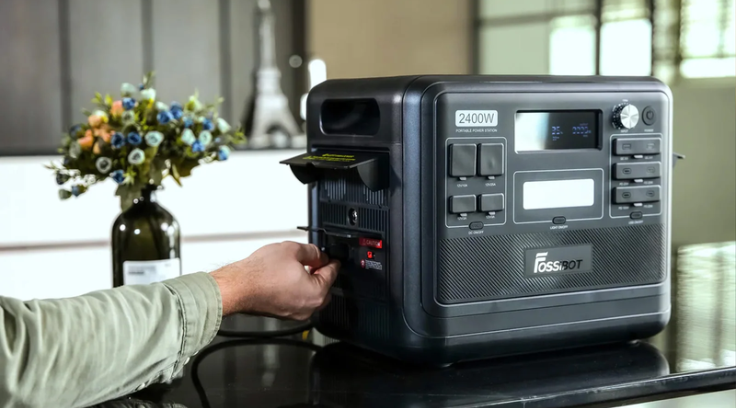
Unexpected power outages can disrupt daily routines and create unnecessary stress. Fossibot can interrupt essential appliances, disconnect communication devices, and reduce home comfort. Therefore, preparing a reliable backup power source can make a significant difference. A portable power station helps keep essential devices running during electricity interruptions. However, choosing the right model requires careful consideration. You should compare battery capacity, power output, charging options, and safety features. For example, brands like FOSSiBOT offer portable power solutions for different household energy needs.
Why Do You Need a Portable Power Station for Home Backup?
Severe weather, maintenance, electrical faults, and grid problems can cause unexpected power outages. Without backup electricity, even short interruptions can disrupt important household activities. A portable power station reduces these inconveniences by powering compatible devices. For instance, you can operate smartphones, laptops, Wi-Fi routers, lights, and selected household appliances. Moreover, many models use rechargeable batteries instead of gasoline. This design supports indoor use when manufacturers approve specific operating conditions. Additionally, these units operate quietly and require less maintenance than traditional fuel generators.
Common Problems When Choosing a Portable Power Station
Finding the right backup power solution can feel confusing without understanding your requirements.
Here are some common challenges:
- Insufficient Battery Capacity: A small battery might not power essential devices for extended periods.
- Limited Power Output: Some models cannot handle appliances with high starting or running power requirements.
- Slow Charging: Limited charging options can make preparation difficult before an outage.
- Poor Portability: Heavy units can become inconvenient when you need to move them.
- Limited Battery Lifespan: Lower-quality battery technology may provide fewer charging cycles.
Understanding these challenges helps you avoid purchasing an unsuitable power station.
How to Choose the Best Portable Power Station for Home Backup
Before purchasing a portable power station, evaluate several important features. Each feature determines how effectively the unit supports your household.
Check the Battery Capacity
Battery capacity determines how much energy a portable power station can store. Manufacturers usually measure battery capacity in watt-hours (Wh). Generally, higher capacity provides longer operating time. However, actual runtime depends on connected devices and their power consumption. For example, a 1,000Wh power station could theoretically run a 100W device for approximately 10 hours. However, conversion losses and other factors reduce real-world performance. Therefore, calculate your essential electricity requirements before choosing a battery size.
Consider the Power Output
Battery capacity alone cannot determine whether a power station can operate your appliances. Therefore, check its continuous AC output before purchasing. For example, smartphones and LED lights require relatively little power. Meanwhile, refrigerators, microwaves, and electric kettles often demand significantly more electricity. Additionally, check the surge power rating before connecting appliances with motors or compressors. These devices may require extra starting power. Therefore, choose a model that supports your appliances' running and starting requirements.
Choose the Right Battery Technology
Battery technology affects performance, lifespan, and overall value. Therefore, compare available battery types before making your decision. Many modern portable power stations use lithium iron phosphate (LiFePO4) batteries. These batteries generally provide longer cycle life and good thermal stability. However, battery lifespan varies between products and operating conditions. Always review the manufacturer's cycle-life specifications and warranty details. Ultimately, a reliable battery makes your backup investment more practical over time.
Compare Charging Options
Flexible charging options help you prepare for different situations. Fortunately, many portable power stations support several charging methods.
Consider these common options:
- AC Wall Charging: Recharge the battery through a standard electrical outlet.
- Solar Charging: Connect compatible solar panels to generate renewable electricity.
- Car Charging: Recharge the unit during road trips or while traveling.
- Generator Charging: Use a compatible generator when other electricity sources become unavailable.
Solar compatibility provides additional flexibility during extended outages. However, charging speed depends on sunlight, panel capacity, and the power station's input limits.
Look for Multiple Output Ports
A useful home backup power station should support several devices simultaneously. Therefore, check its available connections before purchasing.
Look for these essential ports:
- AC outlets for compatible household appliances.
- USB-A ports for smaller electronic devices.
- USB-C ports for compatible phones, tablets, and laptops.
- DC outputs for supported equipment.
Multiple ports make it easier to manage several essential devices. However, always check the unit's total output limits before connecting multiple appliances.
Consider Portability and Design
A portable power station should fit your storage space and household requirements. Therefore, consider its weight, dimensions, and overall design. Smaller units work well for basic electronics and occasional backup needs. Meanwhile, larger models support more demanding applications but usually weigh more. Additionally, look for comfortable handles, clear displays, and durable exterior materials. These practical features make transportation and everyday operation easier.
Check Safety Features and Warranty
Safety should remain a priority when choosing backup equipment. Therefore, examine the protection features before purchasing a power station. Look for battery management systems that monitor important operating conditions. Depending on the model, these systems protect against overcharging, overheating, overcurrent, and short circuits. Also, review the manufacturer's warranty and customer support policies. A dependable warranty provides additional confidence in your purchase.
Why Consider FOSSiBOT Portable Power Stations?
After identifying your household requirements, compare products that match your expected energy consumption. FOSSiBOT offers portable power stations for different backup and outdoor applications. Its product range includes options for compact backup needs and higher-capacity power requirements. Depending on the model, you can explore rechargeable battery technology, multiple output ports, and flexible charging methods. Before choosing a FOSSiBOT model, compare its battery capacity, AC output, charging speed, and appliance compatibility. This approach helps you select a suitable product without paying for unnecessary capacity. Explore the FOSSiBOT portable power station collection to compare available options.
Benefits of Upgrading to a Reliable Portable Power Station
Choosing a suitable portable power station can improve your household's emergency preparedness. Additionally, it offers several practical benefits.
Here are some important advantages:
- Reliable Backup Electricity: Keep essential electronics running during power interruptions.
- Quiet Operation: Enjoy a quieter alternative to many conventional fuel generators.
- Flexible Charging: Use compatible wall, solar, or vehicle charging options.
- Convenient Storage: Keep a rechargeable backup power source available when needed.
- Versatile Applications: Use compatible models for home backup, camping, and outdoor activities.
However, remember that portable power stations have limited energy capacity. They may not support an entire household or high-power appliances for extended periods.
FAQs
What size portable power station do I need for home backup?
Your ideal battery size depends on the appliances you want to operate and their expected runtime. Therefore, calculate their combined energy consumption before selecting a model.
Can a portable power station run a refrigerator?
Yes, some portable power stations can operate compatible refrigerators. However, check the refrigerator's running wattage, starting surge, and the power station's output capacity.
Are portable power stations safe for indoor use?
Battery-powered portable power stations generally avoid the exhaust emissions produced by fuel generators. However, always follow the manufacturer's indoor-use, ventilation, and charging instructions.
Can I charge a portable power station with solar panels?
Yes, many models support compatible solar panels. However, check the supported solar input voltage, current, and maximum wattage before purchasing panels.
Choosing the best portable power station for home backup starts with understanding your electricity requirements. First, calculate essential power consumption and compare battery capacity. Next, check continuous output ratings and available charging options. Additionally, consider battery technology, portability, and safety features. A suitable power station helps maintain essential household activities during unexpected outages. Meanwhile, Fossibot offers different portable power solutions worth comparing. With proper research and preparation, you can choose a backup system that meets your household's needs.
Stay tuned to Never Playful to explore more about the Best Portable Power Station.
Recent Blogs
-
How to Keep Your Home Powered During Unexpected Power Outages
-

How to Choose the Perfect Engagement Ring With Italo Jewelry
-
Enjoy Cleaner Drinking Water with Innovative Brio Water Products
-

Make Every Outfit Stand Out with Spirit Jersey's Unique Apparel
-

Is the SIRUI Astra Autofocus Anamorphic Lens Worth Buying?