How to Keep Your Home Powered During Unexpected Power Outages

Discover practical ways to keep your home powered during unexpected outages. Explore emergency power plans, portable power stations, solar generators, and backup solutions from EcoFlow.
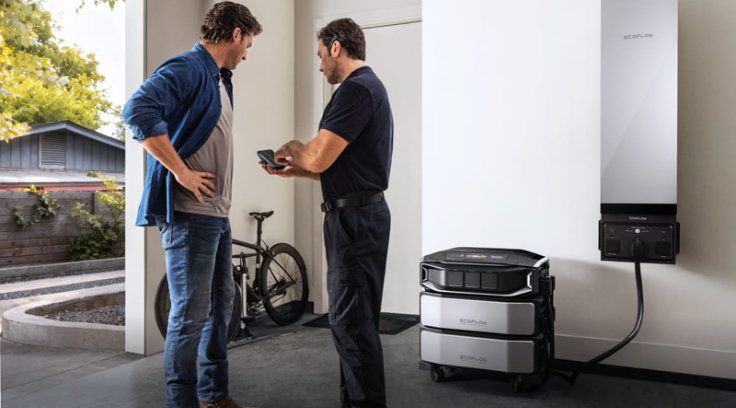
Unexpected power outages can disrupt daily routines and create unnecessary stress. EcoFlow can interrupt work, spoil food, and drain essential devices. Moreover, extended outages can make your home uncomfortable and difficult to manage. Therefore, prepare a reliable backup power plan to stay comfortable and connected. With suitable equipment, you can protect essential appliances and handle electricity interruptions confidently.
Why Do Unexpected Power Outages Happen?
Power outages can result from severe weather, damaged power lines, equipment failures, or grid overloads. These interruptions can disrupt daily life by affecting refrigerators, internet routers, and electronic devices. Therefore, a reliable backup power solution helps maintain household convenience.
Common Problems During Power Outages
A sudden electricity interruption affects more than household lighting. Homeowners often experience these common problems:
- Food spoilage: Refrigerators and freezers cannot maintain safe temperatures indefinitely without electricity.
- Communication problems: Dead phone batteries can prevent you from contacting family members.
- Interrupted work: Remote workers may lose internet access and computer power.
- Poor indoor comfort: Heating and cooling systems may stop operating.
- Limited lighting: Dark rooms can create inconvenience and safety concerns.
Fortunately, proper preparation can reduce these problems and make outages easier to manage.
Create a Home Emergency Power Plan
Start by identifying the appliances and devices your household needs most. This step helps you understand your backup power requirements before purchasing equipment.
Consider prioritizing these essentials:
- Refrigerators and freezers
- Smartphones and tablets
- Wi-Fi routers and modems
- LED lights and lamps
- Medical devices that require electricity
- Essential fans or heating equipment
Next, check the wattage requirements of these appliances. Add their expected power consumption to estimate your backup capacity needs. Also, decide how many hours you want your backup system to operate. A clear plan helps you avoid buying equipment that cannot support essential household needs.
Invest in a Reliable Portable Power Station
A portable power station provides reliable backup power during outages without noise or exhaust emissions. It can charge phones, power lights, run routers, and support selected appliances. When choosing one, consider battery capacity, wattage, charging speed, and outlets. Brands like EcoFlow offer flexible backup solutions for different household power needs.
Consider a Solar Generator for Longer Outages
A solar generator combines a portable battery with solar panels, allowing you to recharge using sunlight. It provides a useful backup during extended outages. However, charging depends on sunlight, weather, and panel capacity. Therefore, choose compatible panels that meet your power station’s specifications. EcoFlow offers solar generator solutions that provide flexible, alternative charging options for households.
Keep Essential Devices Fully Charged
Keep smartphones, laptops, lights, and power banks charged before outages. Store cables and adapters together for quick access. A portable power station can also power essential devices. However, check its battery capacity and output before connecting multiple electronics.
Maintain Your Backup Equipment Regularly
Buying backup equipment represents only the first step. Regular maintenance helps keep your system ready for unexpected electricity interruptions.
Follow these simple maintenance practices:
- Check battery levels regularly.
- Inspect charging cables and electrical connections.
- Clean your equipment and store it in suitable conditions.
- Follow the manufacturer's battery storage recommendations.
- Test your backup setup periodically.
- Install available firmware updates when necessary.
Additionally, keep your emergency equipment somewhere accessible. This preparation saves valuable time during unexpected outages.
Why Choose EcoFlow for Home Backup Power?
Choosing the right backup equipment helps manage unexpected power outages. EcoFlow offers portable power stations, solar generators, and home backup solutions. Compare battery capacity, output, and charging options to find a suitable system. Always consider your household's actual power needs before purchasing.
FAQs
What is the best way to keep your home powered during a power outage?
A portable power station or home battery backup system can provide electricity during unexpected outages. Choose equipment based on your essential appliances and required backup duration.
Can a portable power station run a refrigerator?
Yes, a suitable portable power station can run a refrigerator. However, its continuous output and surge capacity must meet the appliance's requirements.
How long can a power station provide backup electricity?
Backup duration depends on battery capacity and connected devices. Larger batteries generally provide longer operating times, depending on electricity consumption.
Are solar generators useful during extended power outages?
Yes, solar generators can recharge compatible battery systems using sunlight. However, charging performance depends on weather, sunlight availability, and solar panel capacity.
Prepare for power outages by identifying essential appliances and keeping devices charged. Consider a portable power station or solar generator that meets your needs. Reliable solutions from EcoFlow can help keep essential devices running. A little preparation ensures your home stays comfortable and connected during outages.
Stay tuned to Never Playful to explore more about power outages.
Recent Blogs
-
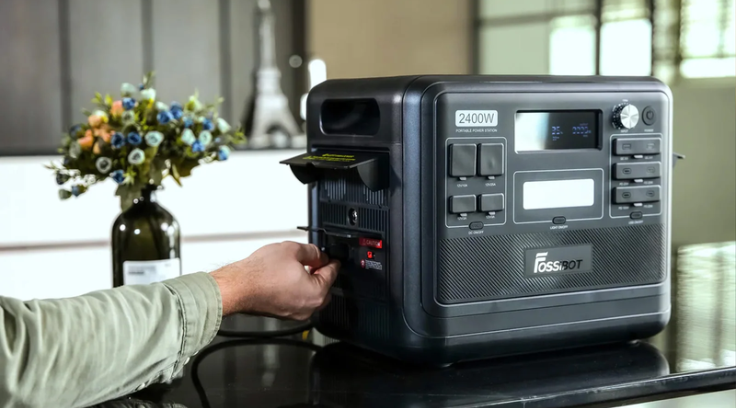
How to Choose the Best Portable Power Station for Home Backup
-

How to Choose the Perfect Engagement Ring With Italo Jewelry
-
Enjoy Cleaner Drinking Water with Innovative Brio Water Products
-

Make Every Outfit Stand Out with Spirit Jersey's Unique Apparel
-

Is the SIRUI Astra Autofocus Anamorphic Lens Worth Buying?