How to Choose the Right Stage Spotlight for Professional Stage Lighting

A great performance can lose its impact when the lighting is poorly planned.
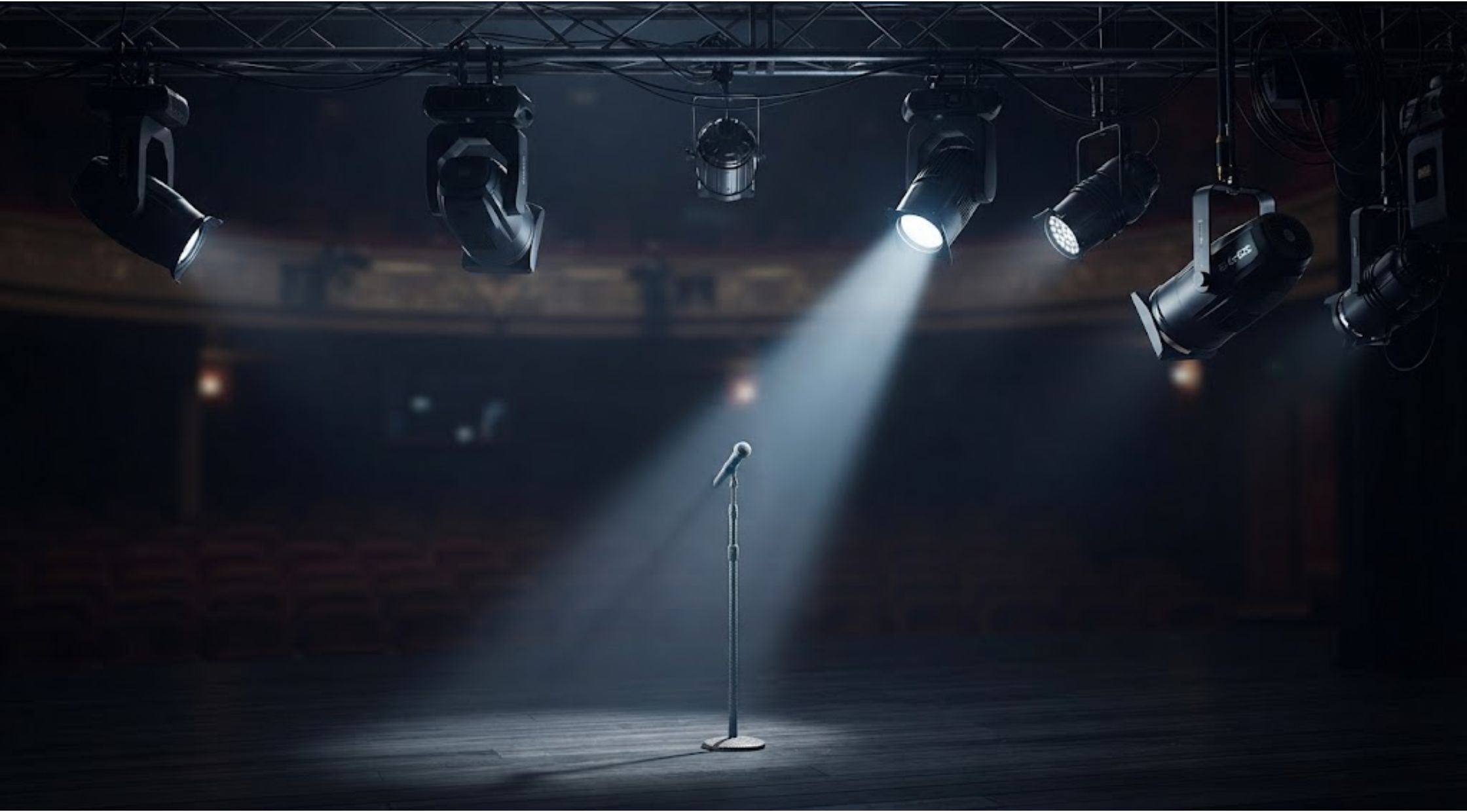
A great performance can lose its impact when the lighting is poorly planned. Performers may appear flat, important details can disappear into shadows, and an audience may struggle to focus on the right part of the stage. Whether you are lighting a theater production, concert, school performance, worship service, or live event, the right equipment can make a noticeable difference.
Choosing a stage spotlight is not simply about finding the brightest fixture available. Beam angle, color control, brightness, mounting options, and the size of your venue all influence how effectively a lighting system performs.
This guide explains the most common stage-lighting problems, what causes them, and how to choose equipment that creates a more professional and controlled visual experience.
Why Stage Lighting Can Be Difficult to Get Right
Good lighting needs to accomplish several things at once. It should illuminate performers clearly, create atmosphere, support the mood of the production, and direct the audience's attention.
Common problems include:
- Performers disappearing into dark areas
- Excessively bright or harsh lighting
- Uneven illumination across the stage
- Poor color consistency
- Beams spilling into unwanted areas
- Difficult or time-consuming adjustments
- Lighting equipment that is complicated to operate
These problems are often caused by using fixtures without considering the venue, stage size, viewing angles, or intended effect.
A well-planned lighting stage setup starts with understanding what each fixture needs to accomplish.
What Makes a Good Stage Spotlight?
A stage spotlight should provide more than basic illumination. The right fixture gives you control over where light goes and how it looks.
Beam Angle
Beam angle determines how wide or narrow the light spreads.
A narrow beam can be useful when you want to highlight a specific performer or area. A wider beam can cover larger sections of the stage.
Choosing the wrong beam angle can result in either insufficient coverage or excessive light spill.
Brightness
Brightness requirements depend on the venue and distance between the fixture and stage.
A small performance space may not need the same output as a large theater or concert venue. Rather than automatically choosing the most powerful fixture, consider the actual distance and coverage requirements.
Color Control
Modern productions often use different colors to create atmosphere and visual transitions.
Color-adjustable fixtures can reduce the need for multiple dedicated lights and provide greater flexibility during performances.
Common Stage Lighting Mistakes to Avoid
Using Too Many Fixtures Without a Plan
More lights do not necessarily create better lighting. Too many fixtures can make a stage look visually cluttered and create unwanted shadows or color mixing.
Start by identifying the key areas that need illumination and build your system around those requirements.
Ignoring Fixture Placement
Even a high-quality light can perform poorly if it is positioned incorrectly.
Consider the height, angle, distance, and direction of each fixture. Lighting from different angles can help create depth while reducing flat-looking illumination.
Focusing Only on Brightness
Brightness is important, but it is only one part of effective stage lighting.
Control, consistency, beam quality, color options, and ease of adjustment can be equally valuable, especially for productions where lighting needs to change throughout the performance.
Practical Ways to Improve Your Stage Lighting
A few planning steps can make your lighting system much more effective.
Map Your Stage
Before purchasing equipment, identify the areas that need illumination.
Mark the positions of performers, presenters, musicians, scenery, and important visual elements. This helps determine how many fixtures you need and where they should be positioned.
Use Different Lighting Zones
Instead of treating the entire stage as one area, divide it into zones.
For example, you might have separate lighting areas for:
- Center stage
- Stage left
- Stage right
- Background scenery
- Performance entrances
- Audience-facing areas
This approach makes it easier to create balanced and flexible lighting.
Consider Color Temperature and Color Effects
Different types of lighting can change how people and scenery appear. Neutral or white light may be useful for clear visibility, while colored effects can create atmosphere.
When combining fixtures, test the colors together before a live performance to ensure they complement rather than overpower one another.
Test Before the Event
Never wait until the performance begins to discover lighting problems.
Run a complete lighting test and check the stage from the audience's perspective. Look for dark spots, glare, unwanted shadows, and areas that receive too much light.
When Premium Lighting Equipment Is Worth Considering
For occasional events, basic fixtures may be sufficient. But venues and production teams that regularly depend on lighting may benefit from investing in more capable equipment.
This is where a professional lighting brand such as SHEHDS can be worth exploring. A well-designed fixture can offer greater control and flexibility, helping users create consistent results across different performances.
Instead of choosing equipment solely because it has a high output rating, consider how well it fits your production requirements.
Ask whether the fixture offers the beam characteristics, color control, mounting flexibility, and operating features you actually need.
Benefits of Upgrading Your Lighting Setup
Investing in better lighting stage equipment can improve both the production and the workflow behind it.
Better Visual Focus
A properly positioned stage spotlight can draw attention to performers, speakers, or important parts of the set without illuminating everything equally.
More Professional Results
Consistent brightness and color can give performances a more polished appearance and make the production feel intentional.
Greater Creative Flexibility
Adjustable colors, effects, and beam characteristics allow lighting operators to create different moods throughout a performance.
Easier Setup and Control
Well-designed fixtures can make adjustments more straightforward, especially when several lights need to work together.
Long-Term Value
If your venue regularly hosts performances, concerts, events, or productions, reliable equipment can provide value over many uses rather than requiring frequent replacement.
For teams looking to improve their setup, SHEHDS offers lighting options that can be considered alongside other professional stage fixtures.
How to Choose the Right Stage Spotlight
Before purchasing, consider these questions:
- How large is the stage?
- How far will the fixture be from the performers?
- Do you need a narrow or wide beam?
- How much brightness is actually required?
- Will you need adjustable colors?
- How frequently will the lights be used?
- What mounting options are available?
- How will the fixtures be controlled?
- Does the equipment fit your existing lighting system?
Answering these questions can prevent you from spending money on features that do not contribute to your production.
It is also useful to compare specifications, installation requirements, control options, and warranty information before making a final decision.
Conclusion: Build Lighting That Supports the Performance
Effective stage lighting should do more than make a stage brighter. It should help performers remain visible, create atmosphere, guide audience attention, and support the overall story of the production.
The right stage spotlight depends on your venue, stage size, performance style, and creative goals. Focus on beam control, brightness, color options, positioning, and ease of use rather than choosing equipment based on specifications alone.
For those looking to upgrade their lighting setup, exploring professional options from SHEHDS can be a useful starting point. With thoughtful planning and the right equipment, you can create a stage environment that looks polished, purposeful, and ready for every performance.
Recent Blogs
-

How to Choose the Right Segway Electric Scooter for Everyday Travel
-

How to Choose the Right ATV Accessories and Motorcycle Accessories for Better Rides
-

How to Choose Bloomchic Dresses and Swimsuits That Fit Your Style and Feel Comfortable
-
How to Choose the Right iPhone 14 Charger and Charging Cable
-

How to Choose a Meaningful Historical Watch That Tells More Than Time