How to Choose Gym Clothes That Actually Make Your Workouts More Comfortable

What you wear won't do the workout for you, but uncomfortable gym clothes can certainly make training more distracting than it needs to be.
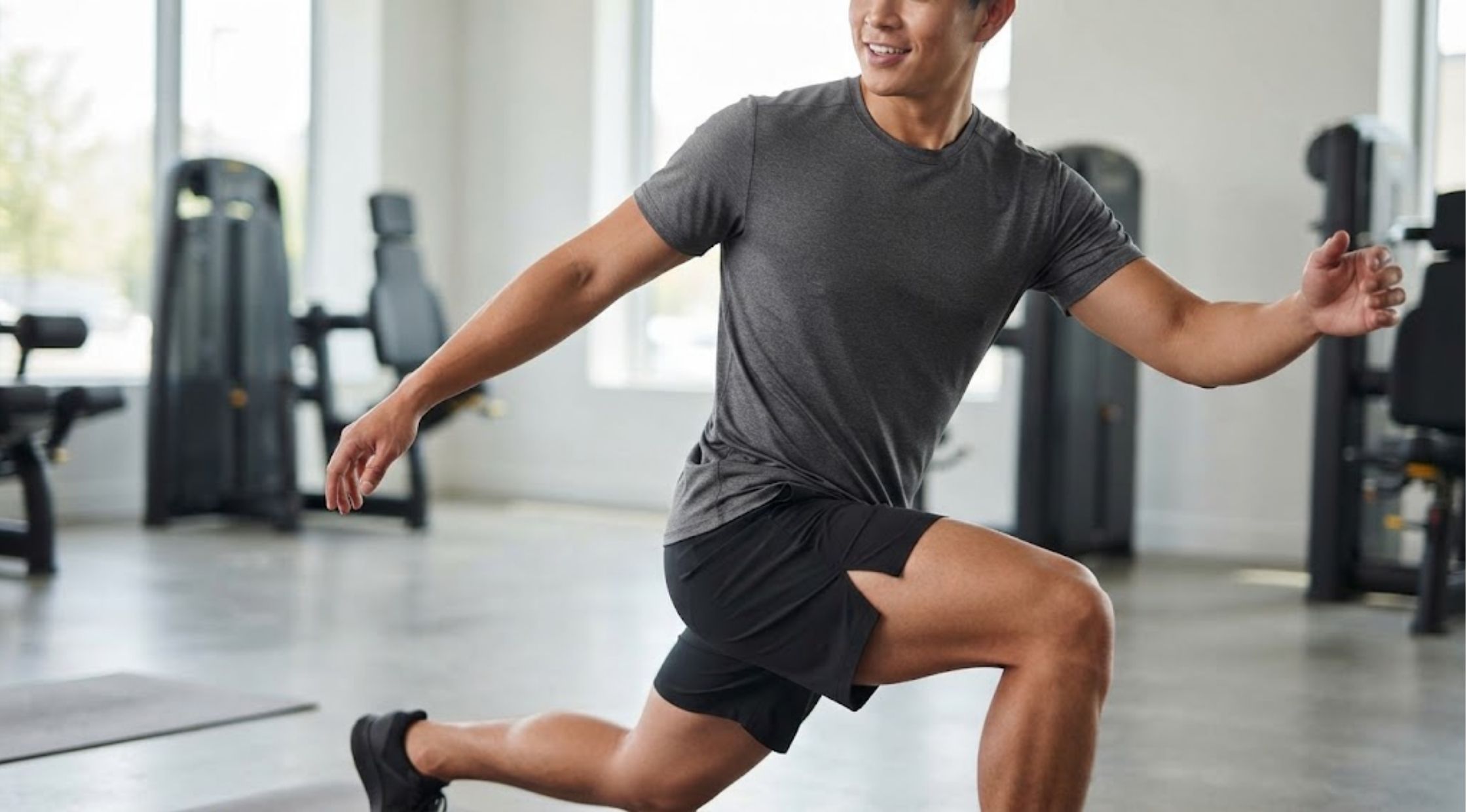
Ever started a workout feeling motivated, only to spend the next hour adjusting your shirt, pulling up your shorts, or wishing you'd worn something lighter?
What you wear won't do the workout for you, but uncomfortable gym clothes can certainly make training more distracting than it needs to be. Fabric that traps sweat, waistbands that move, restrictive fits, and poorly placed seams can become especially noticeable once you start running, lifting, stretching, or doing high-intensity exercises.
Good gym clothing should work with your body rather than constantly reminding you that you're wearing it.
The challenge is knowing which features actually matter and which ones are mostly marketing. Once you understand what to look for, building a practical workout wardrobe becomes much easier.
Why Do Gym Clothes Become Uncomfortable?
Many people choose workout wear using the same criteria they use for casual clothing: appearance, size, and price.
That can work until the workout begins.
Training involves repeated movement, heat, sweat, stretching, and friction. A T-shirt that feels comfortable while standing in a fitting room may behave completely differently during a 45-minute workout.
Poorly selected gym clothes can feel heavy after absorbing moisture, restrict movement during squats or presses, or create irritation where fabric repeatedly rubs against the skin.
Another common problem is buying clothing simply because it looks athletic. Performance-oriented design and athletic styling aren't necessarily the same thing.
What Actually Makes Good Gym Clothing?
There isn't one perfect material or design for every workout.
The right choice depends on what you're doing.
Someone lifting weights may prioritize unrestricted movement and a stable fit. A runner might care more about lightweight materials and moisture management. Someone attending yoga or mobility classes may prefer stretch and softness.
That's why good gym clothing starts with understanding your training routine rather than copying whatever happens to be popular.
Fit matters too. Oversized clothing can be comfortable for some activities but may become distracting around certain equipment. Extremely tight garments can also be uncomfortable if they don't provide enough stretch or are poorly constructed.
The ideal fit gives you enough freedom to move naturally.
How to Choose Better Gym Clothes
Match Your Outfit to Your Workout
Start by looking at your weekly training routine.
If most of your sessions involve strength training, choose gym clothes that allow comfortable movement through exercises such as squats, lunges, rows, and overhead presses.
For cardio-focused workouts, lighter garments and effective moisture management may become more important. If your routine combines different training styles, versatile basics can help you avoid needing a separate outfit for every activity.
The objective is simple: dress for what you're actually going to do.
Pay Attention to Fabric
Fabric can significantly change how gym clothing feels during exercise.
Synthetic performance materials are commonly used because they can provide stretch and help manage moisture. Some people prefer softer blends for lower-intensity sessions, while others prioritize lightweight technical fabrics.
Don't judge material only by how it feels when dry. Consider how it may perform after you've been training and sweating for an hour.
Also check care instructions. Workout clothing gets washed frequently, so easy maintenance can be valuable over the long term.
Test Your Range of Motion
Before deciding whether something fits properly, move in it.
Raise your arms overhead. Squat. Bend forward. Take a long step. Rotate your torso.
Your gym clothes shouldn't require constant adjustment during these movements.
For bottoms, check whether the waistband stays comfortably positioned. For tops, consider whether the hem moves excessively or whether the shoulders feel restrictive.
A few seconds of movement can reveal problems that aren't obvious while standing still.
Consider the Details
Small features can have a surprisingly large impact.
Pocket placement, zippers, drawstrings, seams, waistbands, ventilation panels, and reflective elements can all affect how useful gym clothing is.
A secure pocket can be particularly convenient if you train with your phone or keys. Meanwhile, strategically designed seams may help reduce uncomfortable friction during repetitive movements.
Don't pay extra for features you'll never use, but don't dismiss practical details either.
When Premium Workout Clothing Makes Sense
You don't need expensive clothing to exercise effectively.
However, if you train several times per week, your workout wardrobe experiences considerably more wear than many everyday garments. Frequent washing, stretching, sweat, and repeated movement can expose differences in construction and material quality over time.
This is where a more curated retailer such as Workout Brands can be worth exploring.
Instead of treating activewear as generic clothing, Workout Brands brings together fitness-focused apparel for people who want to compare options designed around active lifestyles.
For buyers replacing worn-out gym clothes or building a more versatile training wardrobe, shopping through a specialist can make it easier to focus on pieces intended for regular exercise.
What Do You Gain by Upgrading Your Gym Wardrobe?
The biggest improvement is often comfort.
When your clothing fits correctly and suits your activity, you spend less time thinking about it. You're not constantly pulling at a waistband, adjusting a shirt, or dealing with fabric that feels uncomfortable once you start sweating.
Quality gym clothing can also make getting ready easier. Instead of searching through your wardrobe for something that might work, you have reliable pieces specifically chosen for your training routine.
Durability can add value as well. A higher purchase price doesn't automatically guarantee longer life, but construction, material quality, and appropriate care can influence how well frequently used workout apparel holds up.
A specialist destination such as Workout Brands can be useful when comparing workout-focused options rather than sorting through large amounts of general casualwear.
There is also a psychological benefit that doesn't require exaggerated promises: wearing gym clothes you genuinely feel comfortable and confident in can make preparing for a workout more enjoyable.
Build a Smaller, Smarter Workout Wardrobe
You probably don't need a drawer overflowing with activewear.
A few well-chosen pieces can cover most training routines.
Start with dependable basics that match your most frequent activities. Prioritize fit, movement, fabric, comfort, and durability before worrying about trends. Then add specialized pieces only when your training actually requires them.
If your existing gym clothing regularly feels uncomfortable, restricts movement, or wears out quickly, it may be worth upgrading selectively rather than replacing everything at once.
Browsing fitness-focused retailers such as Workout Brands can help you compare clothing designed with exercise in mind and identify pieces that suit your routine.
Ultimately, the best gym clothes aren't necessarily the ones with the biggest logo or the highest price tag. They're the ones that fit properly, handle your workouts comfortably, and keep doing their job session after session.
Choose clothing around the way you train, and your workout wardrobe becomes one less thing you need to think about.
Recent Blogs
-
How to Choose Ergonomic Chairs for a More Comfortable Workday
-
How to Choose the Right Mattress and Pillows for Better Sleep
-
Essential Guide to Choosing the Right Mattress Topper for Your Sleep Style
-
How to Choose the Right Streetwear, Pants, and Backpacks
-
How to Choose Essential Oils and Care for Your Diffuser