How to Choose a Kitchen Sink With Faucet & Lefton Faucets

The first step is to determine what materials and design you want your kitchen sink to be made of.
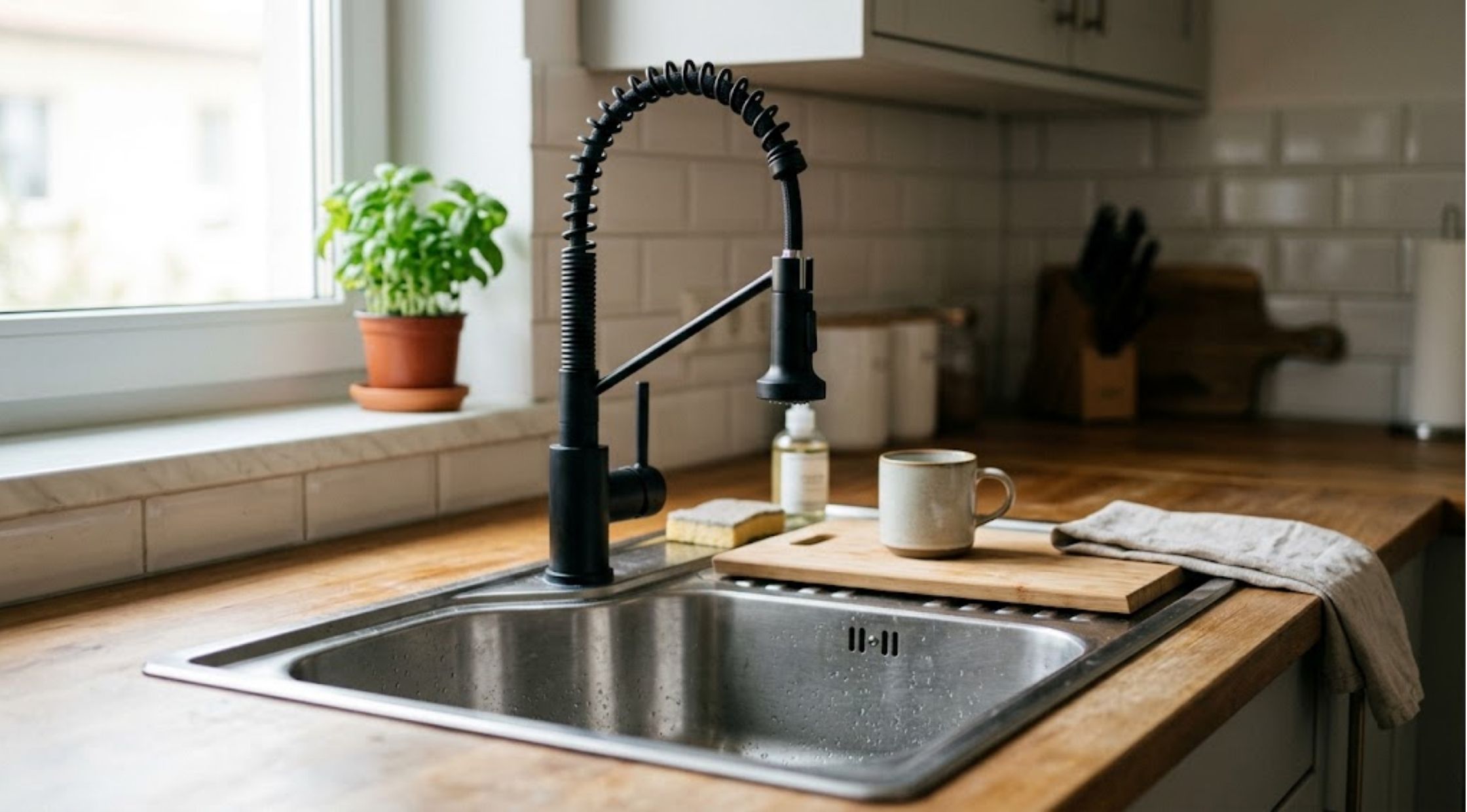
The first step is to determine what materials and design you want your kitchen sink to be made of.
One of the most used fixtures in a house is the kitchen sink. The ideal sink for the kitchen can help with various everyday tasks, from meal preparation and washing dishes to cleaning large sized cooking surfaces. There are also some sinks that come with faucets that are compatible, which can enhance the functionality and look of your kitchen.
When looking for kitchen sink with faucet, or even a Lefton sink, knowing which elements are essential can assist you determine the best choice.
1. Key Factors When Choosing a Kitchen Sink with Faucet
When it comes to choosing a kitchen sink with a faucet, there are several factors to consider.
If you wish the sink and faucet to be part of a single unit, a kitchen sink with faucet can serve your needs.
Important Factors to Consider:
- Sink dimensions
- Bowl configuration
- Installation type
- Faucet height
- Faucet reach
- Material
- Drain placement
- Available countertop space
Before choosing a sink, accurately determine the dimensions of your current countertop or cabinet opening. If you're looking for more washing space, you might need to install a larger sink.
When adding the faucet, also consider the reach and height of the faucet to the sink.
Choosing the Correct Size for a Kitchen Sink
Choosing the correct size for a kitchen sink is important. Installing the proper size for the kitchen sink is important.
The first step is to measure the space in the cabinet and on the counters.
Consider how you normally use your sink. If you have to wash big pots, baking trays or cookware often, a larger or wider basin might be easier to use.
In small kitchens, a small sink can save up some valuable counter space.
Don't just go by the outside measurements. Before buying, make sure it's the correct bowl size and cabinet size.
2. Selecting Lefton Sinks and Faucets
How to Choose a Lefton Sink
A Lefton sink can be considered when you're looking for a modern kitchen fixture with practical features.
When comparing sink models, consider the construction, size, bowl shape, drainage pattern, and installation requirements.
Consider the layout of your kitchen, too. The sink should be easily accessible and not obstruct cabinets, appliances, or counter surfaces.
If replacing an existing sink, measuring the existing cutout will help you figure out if you will need to modify the countertop for the new sink.
How to Select Lefton Faucets
Lefton Home faucets can be a great accent piece for your kitchen faucet design.
Essential Features to Check:
- Spout height
- Spout reach
- Handle configuration
- Spray functionality
- Installation holes
- Finish
- Ease of cleaning
Pull down or pull out spray or rinse feature: useful for rinsing dishes and sink basin.
When buying a faucet, check to see if it fits into the sink's mounting system.
3. Matching Faucets with Sinks & Sink Types
How to Match a Faucet With Your Sink
The faucet and sink do not have to match, but need to complement each other aesthetically and in terms of function.
For instance, a brushed metal or stainless steel sink can coordinate with a brushed metal or stainless steel faucet for an integrated look. But if you want to make a more interesting modern style, try using contrasting finishes.
Be conscious of proportion. A large faucet could overpower a small sink and a small faucet may not reach a large basin.
Single-Bowl vs. Double-Bowl Configurations
|
Sink Style |
Primary Advantage |
Best Suited For |
|
Single-Bowl |
Large, open basin space |
Washing large pots, baking sheets, and heavy cookware |
|
Double-Bowl |
Separate dual compartments |
Multitasking (washing dishes on one side, rinsing on the other) |
When selecting a sink style, there are a variety of factors to consider.
There are different types and styles of kitchen sinks.
Think about one-bowl or two-bowl. A large bowl may be helpful for washing large pans and two bowls can be used to keep washing and rinsing apart.
Your decision will depend on both the design of your kitchen, and how you use it.
4. Step-by-Step Installation & Leak Prevention
Step-by-Step Installation of a Kitchen Sink with a Faucet
Requirements for installation will differ depending on the sink and countertop.
Installation Sequence:
- Take the measurements of the current opening.
- Set up counter top & cabinet space.
- Attach the sink as per the instructions.
- Attach the faucet.
- Install water connections.
- Connect the drain.
- Check for leaks.
- Check the faucet and drain.
Follow manufacturer's instructions for installation. If changes to the plumbing may need to be made, or if you aren't familiar with plumbing, hiring a professional to install it could be safer.
Discover How to Prevent Leaks in Your Kitchen Sink
Leaks are frequently found around connections, seals or plumbing fittings.
Once it is installed, flush the water from the water faucet and check under the sink to ensure there are no leaks. Look at the drainage area also.
If moisture is noticed, determine the source of the moisture before the fixture is used as normal.
Periodic inspection of plumbing connections may be necessary to prevent small issues from becoming large ones.
5. Daily Maintenance & Efficiency Tips
Cleaning Tips for Your Kitchen Sink
Cleaning on regular basis is helpful in maintaining appearance and hygiene.
Wipe food particles off basin after use and use only products suitable for the material of the basin.
Don't use strong cleaners unless they are explicitly recommended for the use. Some materials and finishes may be affected by inappropriate chemicals or abrasive tools.
Be sure to clean around the base of the faucets and near the faucet drains where residue may form.
How to Select a Faucet for Everyday Use
Consider how you use your kitchen every day.
A flexible spray function can facilitate such tasks as washing large dishes, or cleaning the sink itself, if you have to do this regularly.
The height of the faucets also plays a role. If a cooktop needs to be taller than normal, there should be enough room so that large pots or pans can be used without reaching, but can be placed easily under cabinets.
If the home is a busy home for cooking, keep functionality in mind, rather than frills.
Top Tips for Getting the Most Out of the Kitchen Sink
To make the sink area more efficient, have accessories for use near the sink.
A drying rack, soap dispenser, sponge sink holder or sink organizer will make the work area more efficient.
Do not overcrowd the area, however. A clean and tidy counter and sink makes food preparation and cleanup easier.
Final Thoughts
When it comes to buying the right kitchen sink faucet, it's important to choose more than a design that you just like. Consider size, installation, faucet compatibility, materials and the use of the faucet in everyday situations.
The size, build, layout and fit should all be considered when assessing a Lefton sink. Likewise, when evaluating Lefton faucets, take into consideration reach, height, spray options, mounting specifications and style.
Take measurements, make sure it is compatible before buying, and follow manufacturer's instructions for installation and maintenance. With a little bit of good planning, your sink and faucet can be one of the most functional and useful spaces of your kitchen.